Polyoxyethylene Glycol 8000

- ZhongShi
- Liaoning, China
- 7~10 days
- 20,000 tons / year
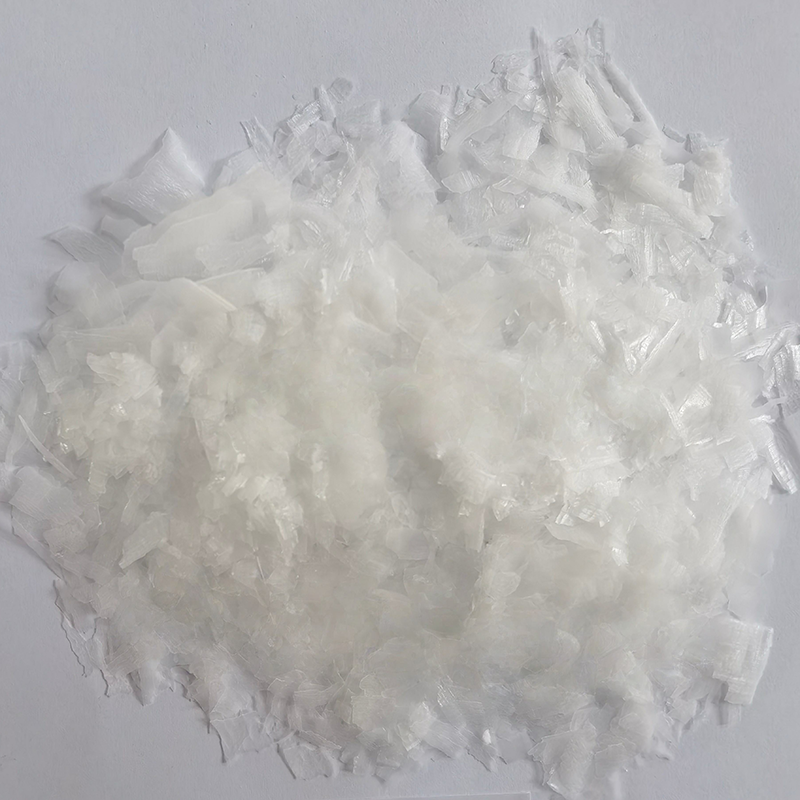
1. Polyethylene Glycol has an average moleular wei.ight of 7,000-9,000. The polymer is stable enough such that formulation errors and batch-to-batch variations due to different degrees of polymerization are minimal.
2. Ethylene glycol, moisture and ash in residual form in PEG 8000 are under tight regulation as well. Pharmcopoeia-grade materials are not only conformed to USP/NF and BP pharmacopeia standards but also satisfy the stringent conditions imposed by pharmaceutical and biomedical industries.
3. Having great properties of film-forming and lubricating, PEG 8000 enhances the uniformity of tablet coating as well as the visual quality of the final product.
For pharmaceutical companies, biological laboratories, and chemical enterprises, uneven molecular weight distribution or high impurity levels in PEG-8000 can lead to inconsistent tablet coating thickness, fluctuations in capsule disintegration times, reduced DNA precipitation efficiency, and poor experimental reproducibility. Problems like these require reformulation time and again which not only lead to high R&D cost but also result in long production cycles.
Our PEG-8000 is manufactured using a stable polymerization process, with strict control over key parameters such as average molecular weight, hydroxyl value, moisture content, and ash content. In practical applications, it helps customers achieve better coating uniformity by around 25%, improves experiments reproducibility by roughly 30%, and increases product pass rate around 20% at the same time it minimizes formulation changes' necessity and saves overall cost of production.
Pharmacopoeial Name | Macrogol 8000 |
CAS Number | 25322-68-3 |
Structural Formula | HO(CH2CH2O)nH |
Average Molecular Weight | 7000–9000 (nominal 8000) |
Product Grade | Industrial grade, Pharmacopoeia grade, Biochemical grade |
Appearance | White flakes, granules, or powder |
Odor | No distinct odor |
Melting Point | 58–63°C |
pH (5% aqueous solution) | 4.5–7.5 |
Water Solubility | Readily soluble in water |
Shelf Life | 24 months |
Average Molecular Weight | 7000–9000 |
Hydroxyl Value | 12–16 mg KOH/g |
Moisture Content | ≤1.0% |
Ash Content | ≤0.2% |
Color (APHA) | ≤30 |
pH (5%) | 4.5–7.5 |
Upstream Laboratory and Technical Support
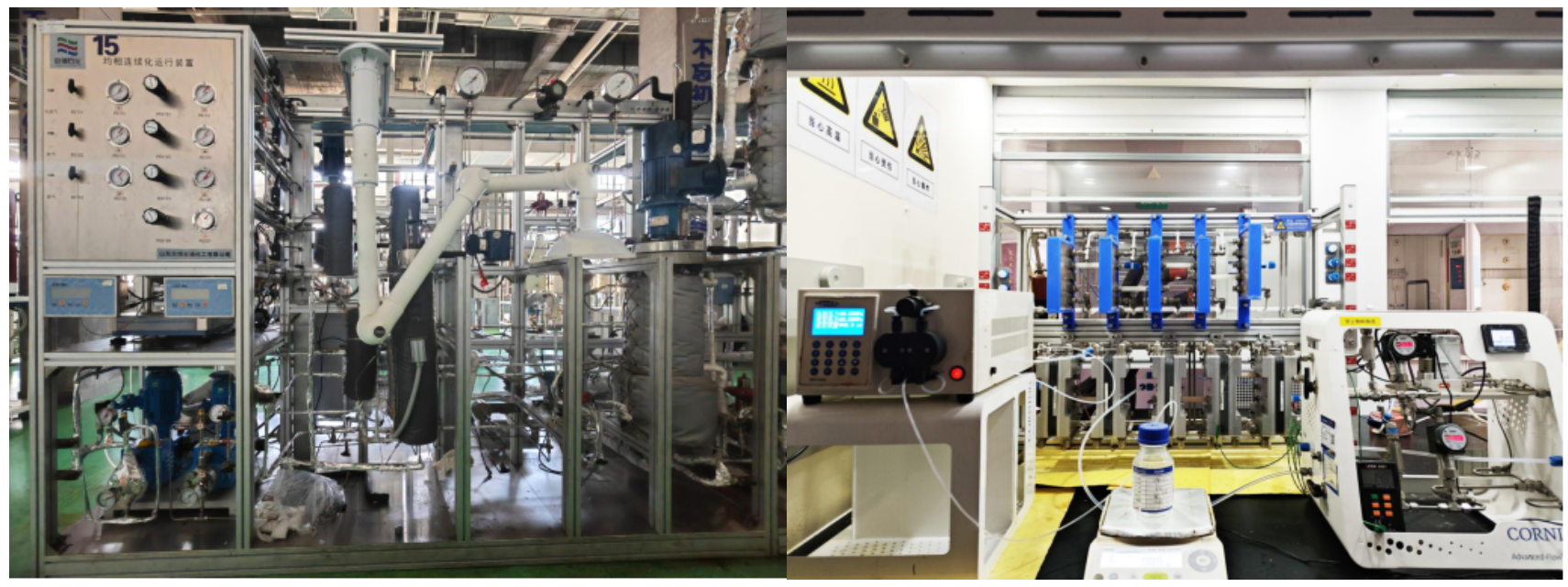
Polyethylene Glycol 8000 for synthesis is widely used in pharmaceuticals, biopharmaceuticals, molecular biology, food processing, and fine chemicals, requiring strict adherence to standards for average molecular weight, moisture, ash, hydroxyl value, and purity. Built upon a solid foundation of upstream production bases and laboratories accredited by CNAS, our testing system, which targets the PEG series, has reached its full potential. Our laboratories house an impressive collection of nearly 30 analytical instruments that provide complete characterization of the materials, including the measurement of molecular weight distribution, purity check, determination of moisture content, and detection of residues and impurities. Among these high-accuracy tools are Gel Permeation Chromatography (GPC) and High-Performance Liquid Chromatography (HPLC), Karl Fischer titrators for moisture determination, ICP-OES metal analyzers, and FTIR spectrometers. Besides DNA precipitation and protein precipitation, we also offer testing for coating performance evaluation, stability, and pharmacopeias compliance to confirm that product conforms to technical requirements of various industries.
Customer Case Study
A European biopharmaceutical company required PEG-8000 for protein precipitation during the production of recombinant proteins. Previously, major changes in the molecular weight of the purchased product were causing erratic protein recovery levels and quite an amount of variation in experimental data between batches, ultimately slowing down R&D work. Upon switching to our pharmacopoeia-grade PEG-8000, precipitation of proteins was very much consistent; the amount of target protein being recovered increased around 18%, and the experiments could be replicated more faithfully (approximately 30% better), in addition to which the R&D time was reduced about 15%. A long-term, stable supply partnership has since been established.
Product Packaging and Shipping
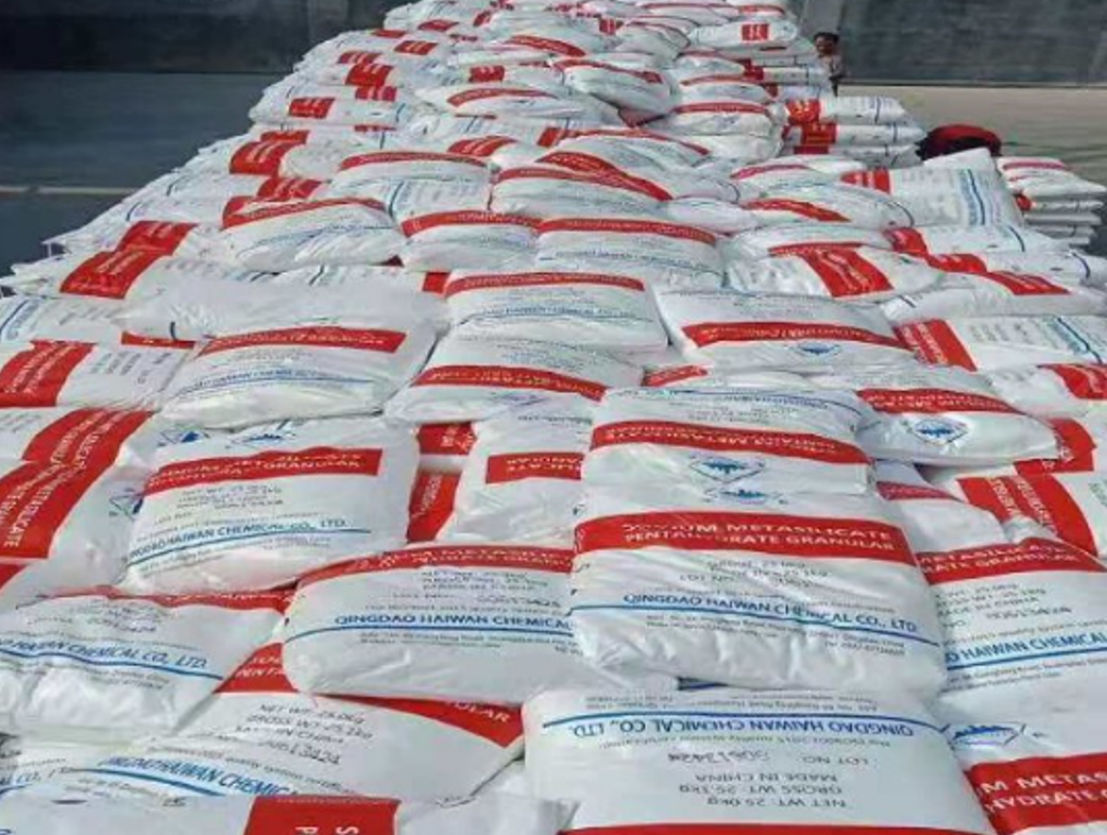
Industrial-grade PEG-8000 is typically packaged in 25kg plastic woven bags or kraft paper composite bags; pharmacopoeia-grade products can be provided with clean, double-lined packaging tailored to customer requirements. We support palletized packaging, full-container shipping, and customized export packaging. We package our products to seal up the humidity tightly so that the goods won't get soggy and won't become lumps. All products are fully labeled showing batch numbers so that they can be easily stored away and traced down for quality control.
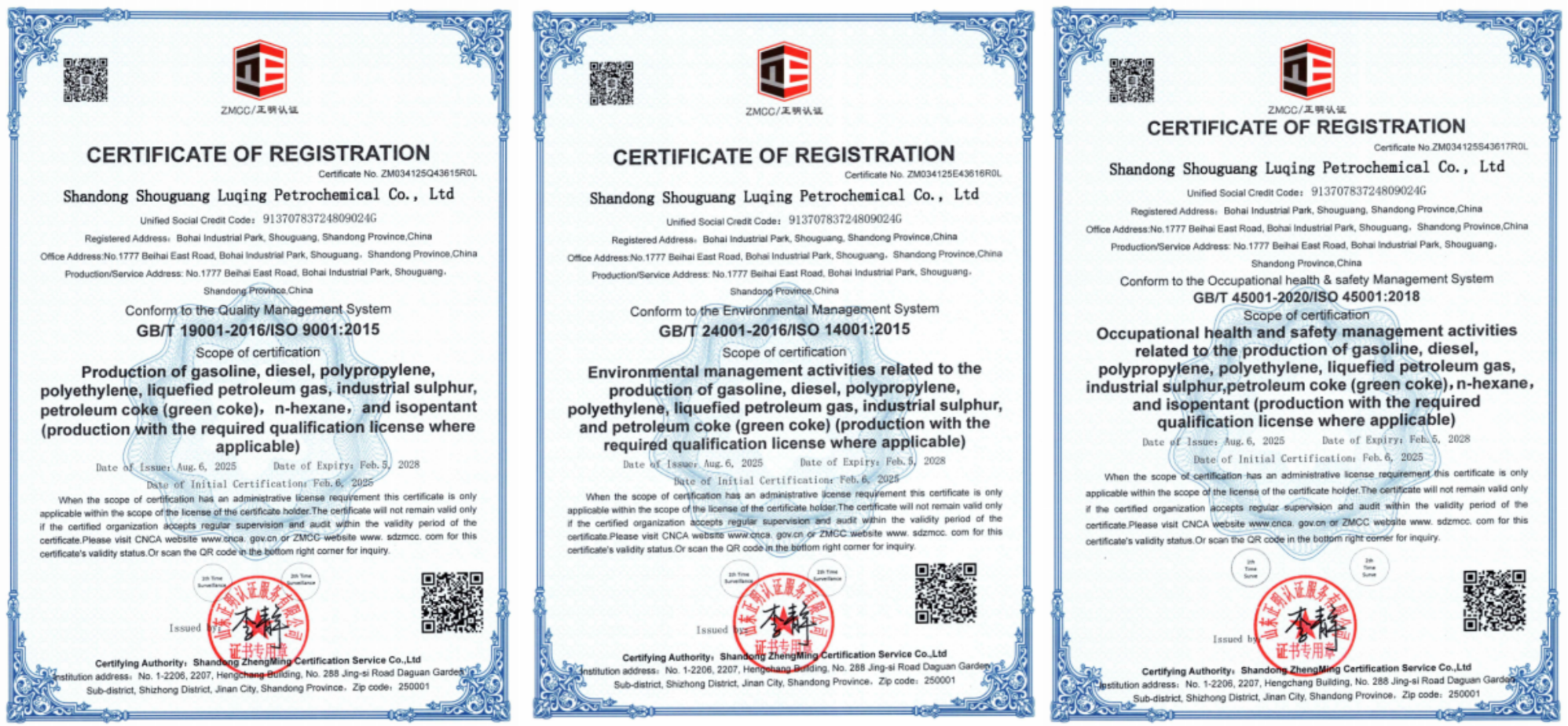
Manufacturer Certifications
Certificate Numbers: ZM034125Q43615R0L, ZM034125E43616R0L, ZM034125S43617R0L
Disclaimer: The above certificates are held by our long-term manufacturing partners. As a supply chain service provider, we manage product quality verification, logistics coordination, and international trade services to ensure that all supplied products meet the certified production standards.
Why Choose Us
Established in 2012, Liaoyang Zhongshi Chemical possesses over 15 years of experience in the chemical solvent supply chain. Regarding sourcing, we maintain long-term partnerships with CNPC, Sinopec, and CNOOC, and have deep ties with three ISO-certified production bases. Our annual supply capacity is 20,000 tons plus, and we have a regular stock of about 100 tons to start with. We support orders starting from 1 ton, with standard orders deliverable within 7 days. Regarding quality control, our products originate from factories certified to ISO 9001, ISO 14001, and ISO 45001 standards (Certificate Nos.: ZM034125Q43615R0L, ZM034125E43616R0L, ZM034125S43617R0L). We conduct dual-stage quality control to ensure the goods meet the standards (for example, testing samples at labs that have CNAS accreditation prior to shipping and doing quality checks after delivering the products) and, in addition to providing you with complete paperwork like a certificate of analysis (COA), Material Safety Data Sheet (MSDS), and traceability details of the entire process. Our products are exported to over 20 countries; we offer various packaging options (drums, IBCs, and ISO tanks), provide samples within 24 hours, and ensure delivery within 7 working days. In addition, we provide the whole package of documents needed for the export goods such as the Dangerous Goods Packaging Certificates, customs declaration, Certificate of Origin as well as SGS reports and help you achieve hassle-free customs clearance with such documents.
FAQ
1. Can PEG-8000 be used in pharmaceutical production?
Yes. We offer pharmacopoeia-grade PEG-8000 that meets USP/NF and EP standards, suitable for the production of tablets, capsules, ointments, suppositories, and other formulations.
2. Can it be used for DNA or protein experiments?
Yes. We provide PEG-8000 of biochemical/molecular biology grade, suitable for applications such as DNA precipitation, virus concentration, protein purification, and cell fusion.
3. What are the packaging specifications?
Standard packaging is 25 kg/bag; customized packaging and export-ready palletized packaging are also available.
4. What is the minimum order quantity (MOQ)?
We can take a minimum order of one ton. Also, we provide samples and regular supplies.
5. What is the delivery time?
We normally deliver your order within a period of 7business days.